Chicago Business Events: How Companies Can Organize Efficient Group Travel and Convention Logistics
Corporate travel becomes significantly more complicated when dozens or hundreds of employees are traveling together.
Chicago is a particularly important destination for this type of travel because business visitors may move between O’Hare, Midway, downtown hotels, the Loop, McCormick Place, and other event locations.
The key to successful group travel is coordination.
Start With a Complete Passenger List
Before arranging transportation, organizers should understand who is traveling.
Record:
- Passenger names
- Arrival times
- Departure times
- Hotel
- Special requirements
- VIP status
- Accessibility needs
A complete passenger list makes it easier to assign vehicles.
Divide Travelers Into Groups
Not everyone needs the same transportation.
A company might divide travelers into:
VIP executives: Individual luxury transportation.
Small teams: Executive SUVs or vans.
General attendees: Shuttle buses.
Large groups: Motorcoaches.
This approach can be more efficient than using one vehicle type for everyone.
Create a Central Transportation Schedule
A central schedule should include every major movement.
For example:
| Time | Route | Group |
|---|---|---|
| 7:00 AM | Hotel → Venue | General attendees |
| 7:30 AM | Hotel → Venue | Executives |
| 5:30 PM | Venue → Hotels | Attendees |
| 7:00 PM | Hotel → Dinner | VIP group |
| 10:00 PM | Dinner → Hotels | All groups |
This makes responsibilities clear.
Use Professional Event Transportation
Chicago has transportation companies specifically serving corporate events, conferences, airport transfers, and large groups.
For large events, professional coordination can be more useful than asking every employee to arrange individual rides.
O’Hare and Midway Planning
Airports can become busy during major conventions.
Travel planners should collect flight information in advance and arrange pickups according to actual arrival schedules.
A delayed flight should trigger an itinerary update rather than leaving the passenger without transportation.
McCormick Place and Convention Planning
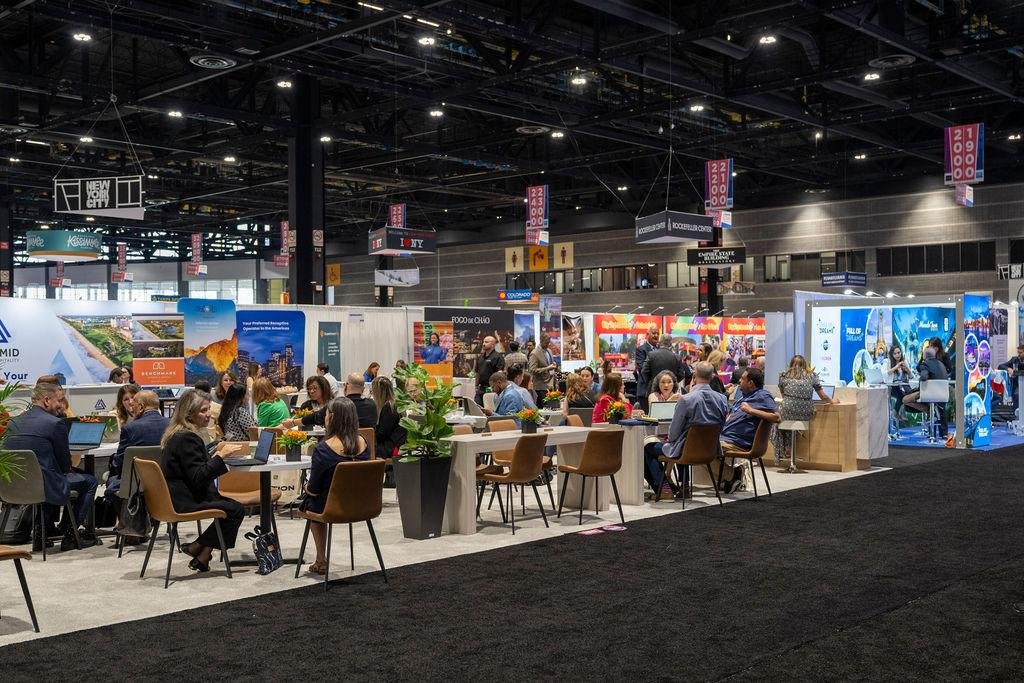
McCormick Place is a major convention destination, and event transportation often involves movement between the venue and hotels.
Current event guidance recommends planning transportation between the convention center, airports, and hotels rather than treating each trip as an individual ride.
Plan for Evening Events
The business day does not necessarily end when the conference closes.
Companies may organize:
- Client dinners
- Networking receptions
- Private events
- Team celebrations
- Executive meetings
These movements should be included in the transportation plan from the beginning.
Keep Executives on a Separate Schedule
Senior executives often have different schedules from general attendees.
A CEO may need to attend a private dinner while employees return directly to the hotel.
Separate transportation allows the company to manage these schedules without disrupting the main shuttle operation.
Consider Corporate Travel Insurance
Corporate travelers should understand what protection their company already provides.
If additional premium travel insurance is considered, compare:
- Medical protection
- Trip cancellation
- Interruption
- Travel delay
- Baggage
- Emergency assistance
Never assume every policy provides the same coverage.
Building a Backup Plan
Large events require contingency planning.
Potential problems include:
- Flight delays
- Traffic
- Vehicle breakdowns
- Schedule changes
- Venue changes
- Weather
A backup vehicle or alternate route can be valuable during high-pressure events.
On-Site Transportation Coordinator
For a large conference, assigning one transportation coordinator can dramatically improve communication.
The coordinator can:
- Monitor vehicles
- Communicate with drivers
- Help passengers
- Handle schedule changes
- Coordinate VIP movements
- Report problems
Final Checklist
Before the event:
- Confirm passenger list
- Confirm hotels
- Confirm venue
- Confirm vehicle numbers
- Confirm pickup points
- Prepare emergency contacts
- Share schedule with attendees
During the event:
- Monitor arrivals
- Track vehicles
- Communicate changes
- Keep backup transportation available
After the event:
- Confirm airport departures
- Review transportation invoices
- Record problems
- Collect feedback
Conclusion
Corporate group travel in Chicago works best when transportation is treated as part of the event itself rather than an afterthought.
By coordinating airports, hotels, convention venues, VIP transportation, group shuttles, and evening events in one plan, companies can reduce confusion and provide a smoother experience for employees and guests.
The result is a business event where attendees can focus on meetings, networking, and professional objectives instead of worrying about how they will get from one location to another.